
Do Orthopedic Doctors Treat Back Pain? Complete Explaination by Dr.Pravin Deokate
Yes. Orthopedic doctors treat back pain. Back pain originating from the spine — discs, vertebrae, facet joints, and the surrounding musculature — falls squarely within orthopedic practice. An orthopedic specialist evaluates the structural cause of your pain and designs a treatment plan that may include physiotherapy, pain injections, medication, or surgery, depending on the diagnosis.
Back pain is one of the most searched health concerns in India, yet patients are frequently unsure which specialist to consult first. Should they visit a general physician, a neurologist, a physiotherapist, or an orthopedic doctor? The confusion is understandable because back pain can have multiple origins. This article clarifies what orthopedic doctors do for back pain, when to see one, and what treatment options are available.
What Does an Orthopedic Doctor Actually Treat?
Orthopedics is the branch of medicine concerned with the musculoskeletal system — bones, joints, ligaments, tendons, muscles, and nerves that support movement. The spine is part of this system. Any condition affecting the vertebral column, intervertebral discs, spinal joints, or the nerves passing through the spinal canal is within an orthopedic doctor’s scope.
Back pain with a structural cause — a slipped disc, a compressed nerve root, degenerative disc disease, spondylosis, or a spinal fracture — is orthopedic in nature. An orthopedic specialist trained in spine and pain management will diagnose these conditions accurately using clinical examination and imaging, then manage them through a structured treatment protocol.
Types of Back Pain an Orthopedic Doctor Can Diagnose and Treat
- Lumbar Disc Herniation (Slipped Disc)
When a disc between two lumbar vertebrae bulges or ruptures, it can press against nearby nerves. This produces pain that starts in the lower back and may radiate into the buttock, thigh, or calf — a pattern commonly called sciatica. Orthopedic doctors manage this with targeted physiotherapy, anti-inflammatory medication, and epidural steroid injections. Surgery is considered only when these measures fail.
- Muscle Strain and Spasm
Sudden lifting, poor posture, or a twisting movement can strain the paraspinal muscles, producing localized lower back pain and stiffness. This is among the most common presentations. Most cases settle with rest, physiotherapy, and short-term medication under orthopedic supervision.
- Sciatica
Sciatic nerve compression causes burning or electric pain that runs from the lower back down one leg. IT professionals who sit for long hours, and anyone with lumbar disc disease or piriformis irritation, commonly experience this. Orthopedic treatment includes nerve pain medication, epidural injections, and structured stretching under physiotherapy guidance.
- Lumbar Spondylosis
Age-related wear of spinal discs and joints is called spondylosis. It causes chronic lower back stiffness, reduced mobility, and aching that worsens with prolonged activity. Orthopedic management includes facet joint injections, physiotherapy for core strength, and activity modification.
- Osteoporotic Compression Fracture
In women above 50 and older patients with low bone density, a vertebra can collapse without significant trauma. This produces sudden, severe mid or lower back pain. Orthopedic management includes bone density assessment, calcium and vitamin D supplementation, bisphosphonate therapy, and in some cases a minimally invasive vertebroplasty procedure.
- Spondylolisthesis
This condition involves forward slippage of one vertebra over another. It produces chronic lower back pain, sometimes with leg symptoms. Depending on the grade of slippage and symptoms, orthopedic management ranges from physiotherapy and bracing to surgical stabilization.
- Ankylosing Spondylitis
This inflammatory arthritis primarily affects the spine and sacroiliac joints. It causes morning stiffness, lower back pain in young adults, and, if untreated, progressive spinal rigidity. Orthopedic doctors diagnose it with blood tests and MRI and manage it in coordination with a rheumatologist.
How Orthopedic Doctors Treat Back Pain: The Treatment Ladder
A structured orthopedic approach to back pain works through a treatment ladder — starting with the least invasive options and escalating only when the previous step does not produce adequate relief.
| Step | Treatment |
| 1 | Rest, activity modification, heat/cold application, over-the-counter pain relief |
| 2 | Physiotherapy — spinal mobilization, core strengthening, posture retraining |
| 3 | Medication — NSAIDs, muscle relaxants, nerve pain medications |
| 4 | Injection therapy — epidural steroid injections, facet joint injections, trigger point injections |
| 5 | Surgery — only when conservative management fails and nerve deficit or structural instability is confirmed |
When Should You See an Orthopedic Doctor for Back Pain?
Not every episode of back pain needs specialist attention immediately. However, certain signs indicate you should consult an orthopedic doctor without delay:
- Pain that has persisted for more than six weeks without meaningful improvement
- Pain radiating down one or both legs, especially below the knee
- Numbness, tingling, or weakness in the legs or feet
- Back pain following a fall, road accident, or direct injury
- Sudden severe back pain in a person above 50, particularly after minimal exertion
- Difficulty walking, standing, or controlling bladder or bowel function (this requires emergency assessment)
- Back pain that does not respond to general physician management after four to six weeks
Orthopedic Doctor vs Neurologist vs Physiotherapist: Who Should You See First?
This is a common question. The simplest way to decide:
- Orthopedic doctor: Structural back pain, disc disease, sciatica, spinal fractures, joint degeneration, post-injury back pain, and cases requiring injection therapy or surgery.
- Neurologist: Back pain with significant nerve involvement — symptoms suggesting myelopathy, motor weakness, or conditions like multiple sclerosis affecting the spinal cord.
- Physiotherapist: Rehabilitation after diagnosis, exercise-based management of chronic mechanical pain, and posture correction — typically working alongside the orthopedic doctor.
An orthopedic doctor with a fellowship in pain management can evaluate structural, mechanical, and nerve-related back pain in a single consultation, coordinating referrals when neurological co-management is warranted.
Back Pain Treatment in Wakad and Hinjewadi: Dr. Pravin Deokate at Sunshine Hospital
Dr. Pravin Deokate is a consultant orthopedic and joint replacement surgeon at Sunshine Ortho Pain Superspeciality Hospital on Hinjewadi-Wakad Road, near Bhumkar Chowk, Wakad, Pune. He holds M.B.B.S, M.S (Ortho), and M.Ch (Ortho) qualifications from Maharashtra University of Health Sciences, along with a Fellowship in Pain Management and an International Trauma Life Support (ITLS) certification from the USA.
With 25 years of clinical practice and membership of the Indian Society of Spine and Pain (ISSP), Dr. Deokate brings specialist spine and pain expertise directly to patients in Wakad, Hinjewadi, Pimple Saudagar, Ravet, Tathawade, and the broader PCMC area — without requiring them to travel to central Pune.
His approach to back pain follows a conservative-first protocol. The majority of patients at Sunshine Hospital are managed successfully through physiotherapy, pain injections, and medication. Surgery is recommended only when there is confirmed structural instability or nerve deficit that has not responded to at least six weeks of structured conservative care.
Back Pain Conditions Treated at Sunshine Hospital, Wakad
- Lumbar disc herniation and slipped disc
- Sciatica and sciatic nerve compression
- Lumbar spondylosis and facet joint pain
- Muscle strain and chronic lower back pain
- Spondylolisthesis
- Osteoporotic vertebral fractures
- Ankylosing spondylitis (diagnostic workup and conservative management)
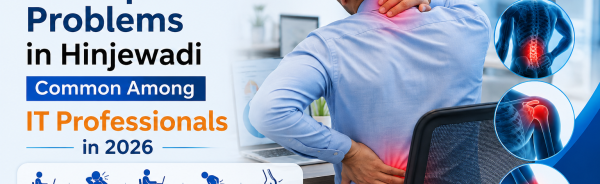
- Spine pain from poor desk ergonomics in IT professionals (Hinjewadi patient cohort)
Frequently Asked Questions
Can I see an orthopedic doctor directly for back pain, or do I need a GP referral first?
In India, you can consult an orthopedic specialist directly — no GP referral is required. If your back pain has persisted for several weeks or is accompanied by leg pain, numbness, or weakness, booking directly with an orthopedic doctor is appropriate.
Do orthopedic doctors treat lower back pain specifically?
Yes. Lower back pain (lumbar region pain) is one of the most common presentations at any orthopedic clinic. The lumbar spine — L1 through L5 and the sacrum — is the most mechanically stressed part of the spine and accounts for the majority of back pain cases seen by orthopedic surgeons.
Is an orthopedic doctor the same as a spine specialist?
Orthopedic surgeons with additional training in spine conditions function as spine specialists. A surgeon holding M.Ch (Ortho) with a fellowship in pain management has specific qualifications for managing complex spine and nerve pain conditions beyond a general orthopedic scope.
Will an orthopedic doctor recommend surgery for back pain immediately?
Not in most cases. A structured orthopedic approach begins with physiotherapy, medication, and injection therapy. Surgery is reserved for confirmed nerve compression with motor deficit, structural instability, or cases that have not responded to at least six weeks of conservative treatment.
How long does back pain treatment take with an orthopedic doctor?
Acute muscle strain typically improves within two to four weeks. Disc-related sciatica often shows meaningful improvement within four to eight weeks of structured physiotherapy and injection therapy. Chronic degenerative conditions require ongoing management with periodic reassessment.
Where can I consult an orthopedic doctor for back pain in Wakad or Hinjewadi?
Dr. Pravin Deokate at Sunshine Ortho Pain Superspeciality Hospital, 3rd Floor, ANP Landmark, No. 309, Hinjewadi-Wakad Road, near Bhumkar Chowk, Wakad, Pimpri-Chinchwad, Pune 411057. Contact: +91-9226111960. OPD is available seven days a week, 10 AM to 2 PM and 6 PM to 10 PM.