

Reverse Shoulder Replacement Surgery in Wakad and Hinjewadi | Shoulder Joint Specialist
Dr. Pravin Deokate performs reverse shoulder replacement surgery in Wakad and Hinjewadi at Sunshine Ortho Pain Superspeciality Hospital. He treats complex shoulder conditions such as rotator cuff arthropathy, severe shoulder arthritis and failed previous shoulder surgeries using advanced reverse shoulder replacement techniques, helping patients regain painless shoulder movement and functional independence.
Severe shoulder pain that restricts lifting the arm, dressing, or even simple daily activities often indicates advanced shoulder joint damage. When the rotator cuff is irreparably torn along with arthritis, a standard shoulder replacement may not work effectively. In such cases, reverse shoulder replacement surgery becomes the most reliable solution to restore function and reduce pain.
Dr. Pravin Deokate at Sunshine Ortho Pain Superspeciality Hospital, located on Hinjewadi-Wakad Road near Bhumkar Chowk, performs advanced shoulder replacement procedures for patients across Wakad, Hinjewadi and nearby Pune areas. His experience in complex joint reconstruction allows precise treatment planning for difficult shoulder conditions.
Patients with shoulder conditions may also benefit from our shoulder pain treatment page. We additionally offer hip replacement surgery, knee replacement surgery, and arthritis treatment. Learn more about Dr. Pravin Deokate or book your appointment at Sunshine Hospital.
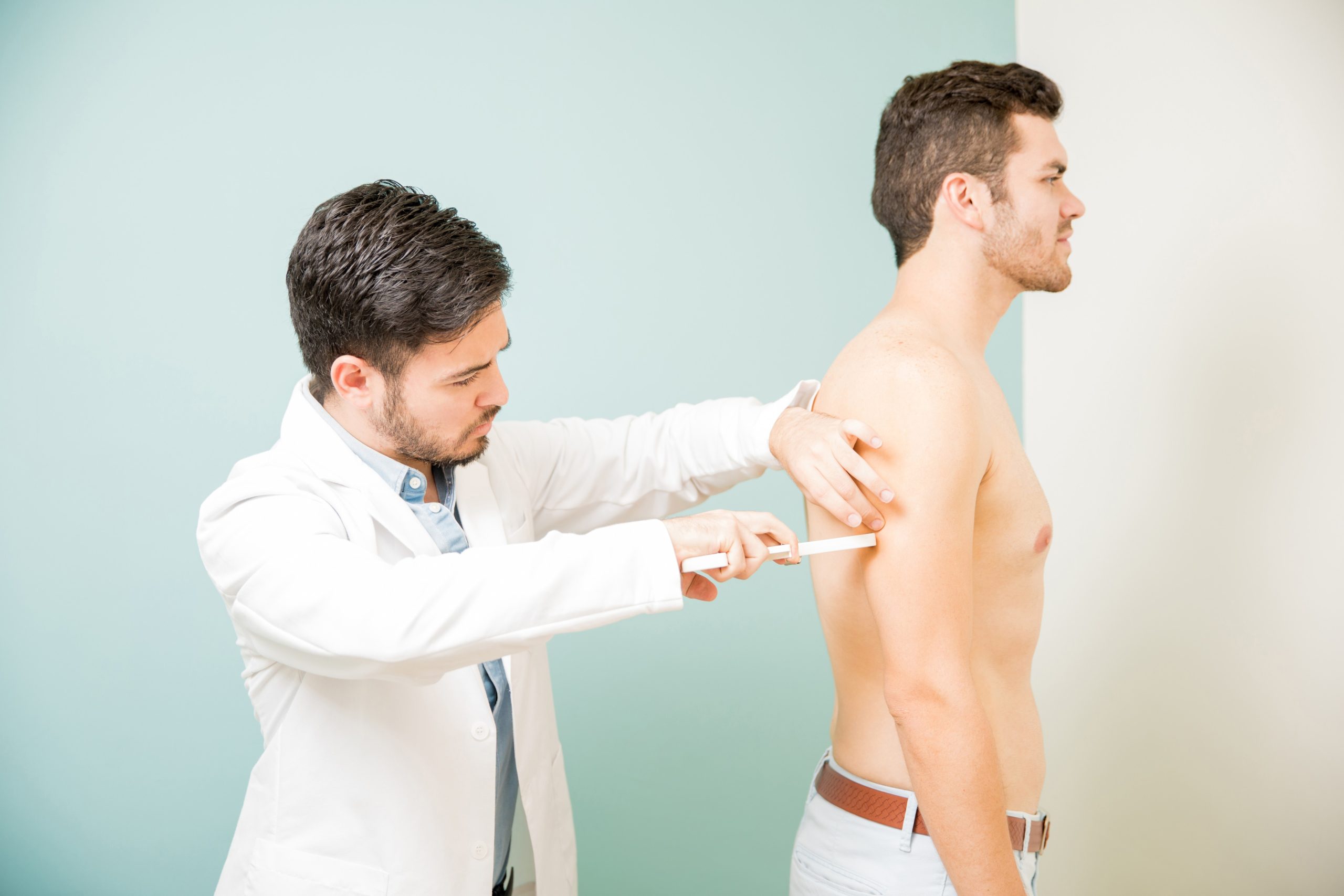

Conditions Requiring Reverse Shoulder Replacement in Wakad and Hinjewadi
Rotator cuff arthropathy: Severe rotator cuff tear with shoulder arthritis causing inability to lift the arm
• Advanced shoulder osteoarthritis: Bone-on-bone arthritis with chronic pain and stiffness
• Massive irreparable rotator cuff tear: Loss of shoulder stability and function
• Failed previous shoulder surgery: Revision shoulder replacement for poor outcomes or implant failure
• Complex shoulder fractures in elderly patients: When reconstruction is not possible
Reverse Shoulder Replacement Surgery at Sunshine Hospital, Wakad
Reverse Shoulder Replacement Procedure
In this surgery, the normal ball-and-socket structure of the shoulder is reversed. A metal ball is placed on the shoulder blade and a socket is placed on the upper arm bone. This design allows other muscles (especially deltoid) to lift the arm even when rotator cuff is damaged.
Primary Shoulder Replacement Cases
Used for patients with severe arthritis and irreparable rotator cuff tears where conventional shoulder replacement is not effective.
Revision Shoulder Replacement
Performed in cases of failed previous shoulder surgeries, implant loosening, infection or persistent pain.
Advanced Surgical Planning
Pre-operative imaging and planning are used to determine implant positioning, stability and expected range of motion.
Frequently Asked Questions (FAQ)
Who needs reverse shoulder replacement?
Patients with severe shoulder arthritis combined with massive rotator cuff tears, inability to lift the arm, and chronic pain not responding to medication or physiotherapy are candidates.
How is reverse shoulder replacement different from normal shoulder replacement?
In reverse replacement, the ball and socket positions are switched. This allows the deltoid muscle to compensate for damaged rotator cuff muscles and restore arm movement.
How long does a reverse shoulder implant last?
Modern implants typically last 15–20 years or more depending on activity level, bone quality and post-surgery care.
Is reverse shoulder replacement safe for elderly patients?
Yes. Age is not a limitation. Patients are carefully evaluated for cardiac and medical fitness before surgery. Many elderly patients regain pain-free daily shoulder movement after surgery.
What activities should be avoided after surgery?
Avoid heavy lifting, sudden jerky shoulder movements and high-impact sports. Gentle exercises and physiotherapy are essential for long-term success.